Providing Convenient Bus and Rail Service to the Denver Metro Area
RTD’s downtown light rail reconstruction project
May 2024
After more than 30 years, RTD is investing in its oldest rail infrastructure to ensure the long-term integrity of the network. The near-term work will occur in four phases, with the first phase commencing in May 2024, focusing on five segments of track at street intersections in the Downtown Loop. Phases two through four of the approximately $152 million-dollar, full-depth reconstruction project will occur in 2025.
Learn MoreEvents


News Stop

3 Things to Know 4.26.2024
1. RTD Transit Police to start 24/7 patrols May 5 2. Bus design contest for 60th anniversary of Civil Rights Act 3. East Colfax BRT receives key funding approval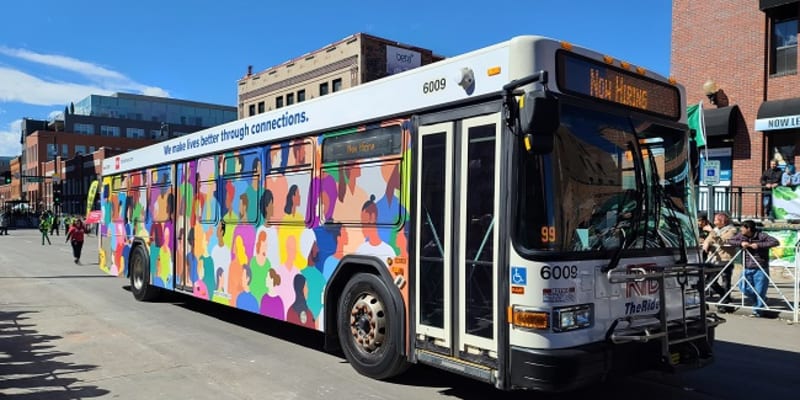
RTD hosting Bus Design Contest to commemorate 60th anniversary of the Civil Rights Act
Applications are open for individuals to submit bus art designs through May 24; winning design to be revealed this summer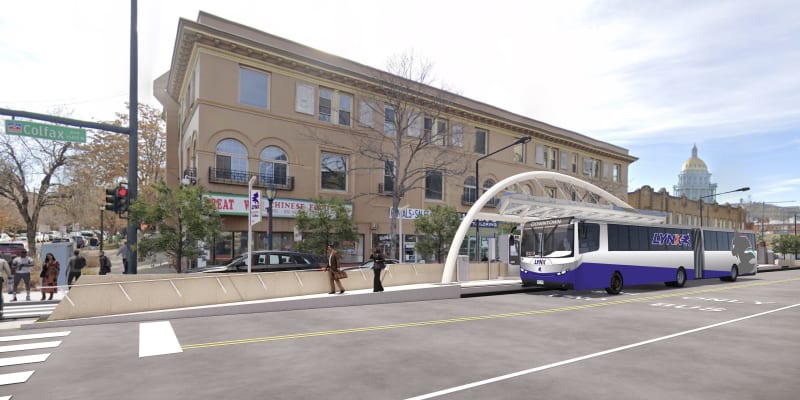
East Colfax BRT project receives key funding approval, advancing the project toward construction
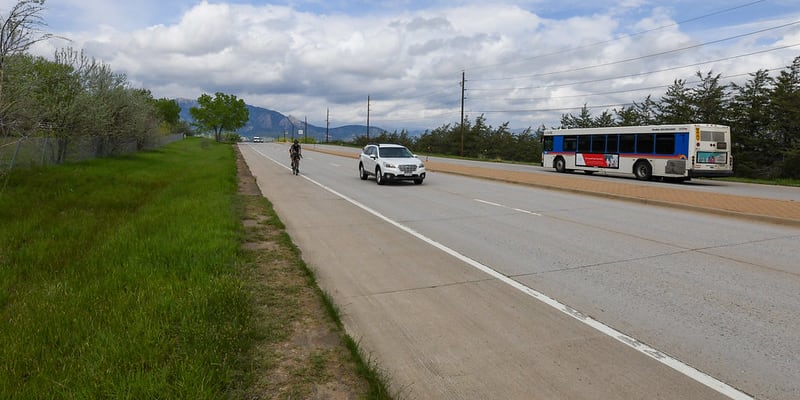
Join both virtual and in-person events about the South Boulder Road Study!
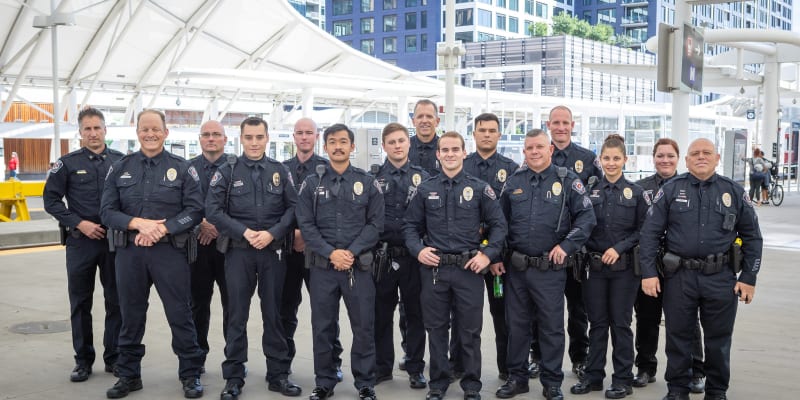
RTD Transit Police to start 24/7 patrols May 5
Overnight coverage will enhance the personal safety of all customers using RTD's services
3 Things to Know 4.19.2024
1. Monday marks eight years of the train to the plane 2. Installation of vinyl seats on light rail continues 3. Attend an open house to learn about summer rail reconstruction★ ★ ★ ★ ★ Hiring veterans like you.
Some positions eligible for $4,000 signing bonus.
RTD values the service and skills developed during your military experience. Qualities like determination, team building, leadership and confidence will allow you to make a difference in your community as a member of our team.
Apply Now